


Share

min read

Senior Content Manager
Content specialist in office design and build.
-
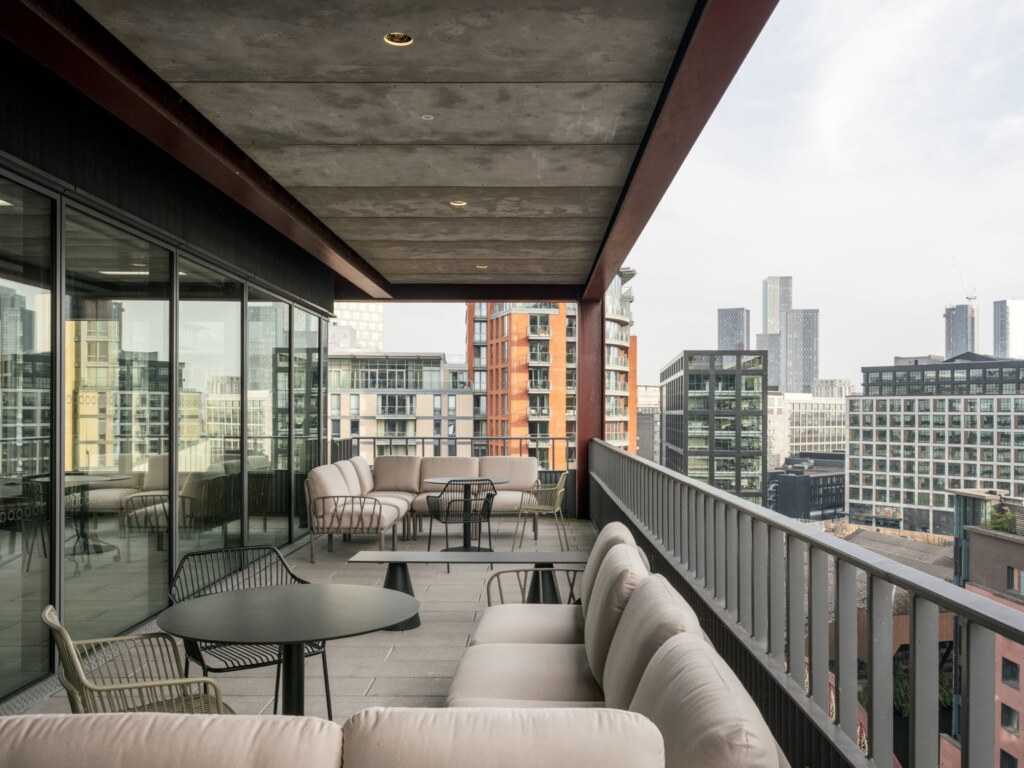
Manchester’s growth as a major UK business centre has transformed its office market. Investment in new commercial districts, transport and regeneration has given businesses more places to locate, while the city’s mix of technology, media, financial and professional services companies continues to support demand.
But finding the right office in 2026 isn’t necessarily getting easier. More secondary space is becoming available, yet many occupiers are competing for the same limited pool of Grade A buildings. Offices with strong sustainability credentials, modern amenities and good transport connections remain particularly sought after, pushing prime rents to new highs.
-

-
This guide compares current office rents across Manchester and explains how location, building grade and market conditions should shape your search. Below, you can jump straight to the section that’s most relevant to your plans.
Table of contents
-
The Manchester office market overview
Manchester’s wider office market had a saw a positive performance in the most recent quarter. Take-up reached 516,152 sq ft, 16% higher than the previous quarter and in line with the 10-year quarterly average. The city’s broad economic base, access to talent and appeal to high-growth sectors continue to support demand.
The picture in the city centre was more subdued. Take-up totalled 185,573 sq ft, 33% below the rolling five-year average. This was largely due to the size of the transactions completed rather than a lack of activity – there were 48 deals during the quarter, but only five exceeded 10,000 sq ft.
-
-
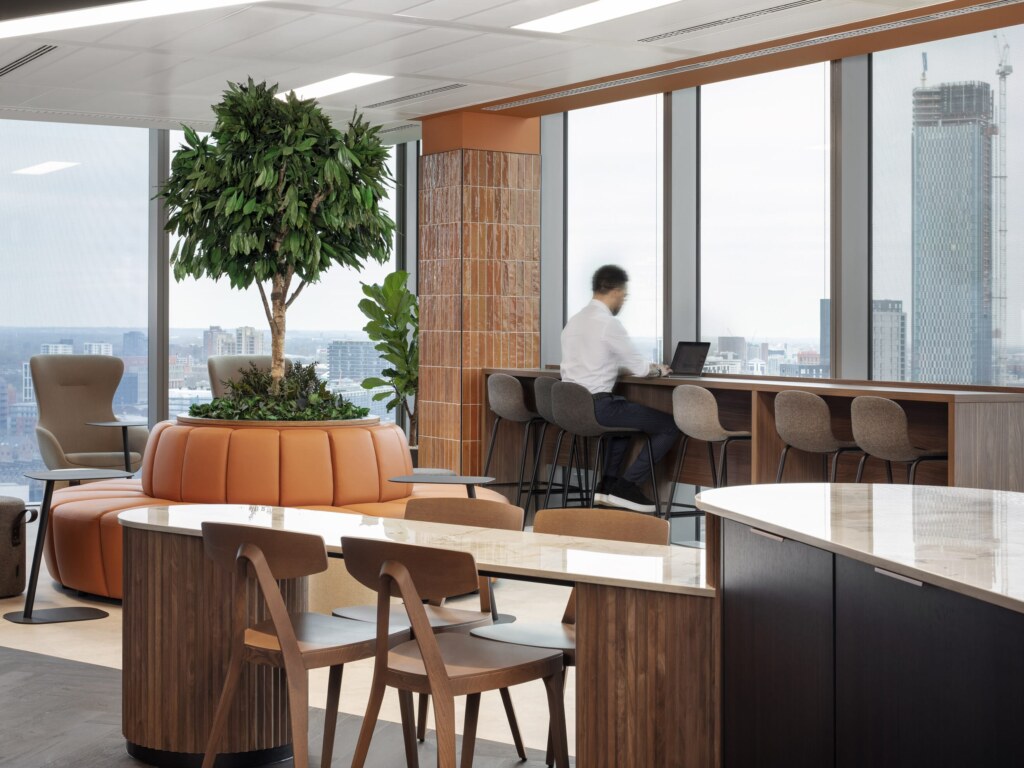
Availability also increased, with the overall vacancy rate reaching approximately 12.7%. Much of that increase came from secondary space returning to the market, while the supply of Grade A and new-build offices remained considerably tighter. No new space is expected to complete during the remainder of 2026, so this gap is unlikely to close in the short term.
For businesses, the headline vacancy rate only tells part of the story. You may have more options if you’re willing to consider secondary space, potentially with greater scope to negotiate. But if you need a larger Grade A office, the market is much narrower and the lack of new supply could place further pressure on the best available buildings.
-
Prime rents in Manchester
As anticipated at in Q1, prime headline rents in Manchester have continued to trend upwards, reaching £48.00 per sq ft in Q2 2026 following the letting of 10,339 sq ft to Arcadis at Island. This represents a 5.5% increase on the previous headline rent of £45.50 per sq ft, reflecting continued demand for best-in-class city-centre space and the limited availability of Grade A offices.
Download The Manchester Office Rent Report to learn about our outlook for commercial space in Manchester, including a detailed map and highlights of the current trends.
download report -
-
The cost of office space in Manchester in 2026
Location Grade A Rent (per sq ft) Grade B Rent (per sq ft) Central Core £37.50 - £48.00 £30.50 - £37.50 Spinningfields £34.00 - £40.00 £22.00 - £26.00 Ancoats and Northern Quarter £28.00 - £35.00 £20.00 - £26.00 Piccadilly £32.00 - £35.00 £22.00 - £32.00 Salford Quays £24.00 - £27.00 £16.00 - £22.00 Media City £23.00 - £26.00 £15.00 - £21.00 Manchester Airport £23.00 - £28.00 £17.00 - £26.00 These costs are a guide provided by local commercial property experts and rent reports. These costs are updated each quarter and are subject to change.
-
What’s the difference between Grade A and Grade B space?
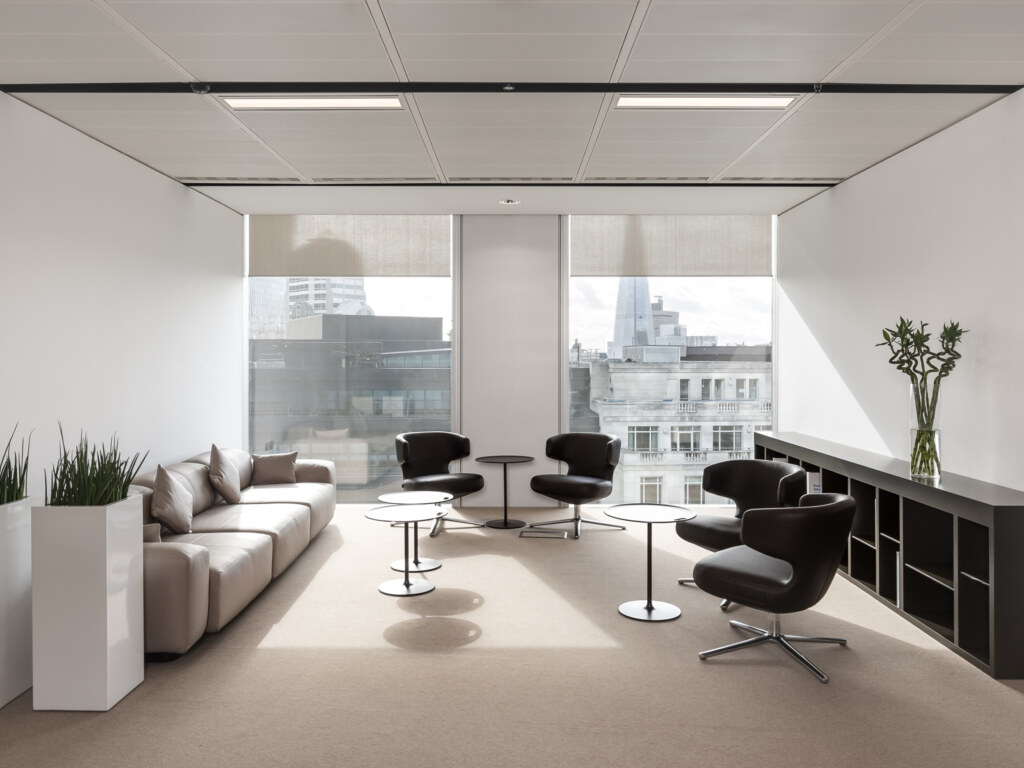
Grade A space typically refers to the newest, most energy-efficient and amenity-rich buildings in the market – the kind of workplaces designed to support modern ways of working, strong sustainability performance and high levels of employee experience.
Grade B space is usually older stock that offers functional accommodation at a lower price point but may require refurbishment to meet modern performance and ESG expectations. For many businesses, the decision between the two comes down to balancing cost with long-term operational value.
-
-
Sector activity
Manchester’s performance continues to be supported by a broad base of occupiers. Professional Services led demand in Q2 2026, accounting for 28% of take-up, followed by Government & Services at 17% and TMT & Creative at 14%.
The quarter also saw several notable transactions across the wider Manchester market. The largest was marketing company PHMG taking 67,500 sq ft at Soapworks in Salford, representing the largest office letting in the city since the pandemic.
Together, these sectors demonstrate the breadth of businesses contributing to Manchester’s occupier market, with demand extending across professional services, government, technology and creative industries.
-
-
What’s driving office costs in Manchester?
Demand for high-quality office space in Manchester continues to support rental growth, with occupiers prioritising buildings that combine sustainability, flexibility and high-end amenities. Central locations such as Spinningfields, St Peter’s Square and Circle Square remain in demand, offering modern workspace with strong public transport links and easy access to local amenities.
Grade A availability remains extremely limited, with vacancy tightening to just 2.8% in Q2. This contrasts with the wider vacancy rate of 12.7%, which has risen following the release of secondary space, highlighting the continued imbalance between demand for the best offices and the availability of suitable stock.
Manchester’s development pipeline is also adding pressure to the market. No new office space is expected to complete during the remainder of 2026, while more than 1 million sq ft is currently under construction for future delivery. Until more high-quality space reaches the market, limited Grade A availability is likely to continue supporting competition and prime rental growth.
-
How much space does your business need?
Right-sizing is playing a major role in Manchester’s leasing activity. Many organisations are choosing smaller, better-quality space, reallocating budget from square footage to workplace experience. If you’re beginning to map out your future requirements, our office space calculator can help you establish an early benchmark.
TRY IT NOW -


-
What tenants want
Demand continues to favour offices with strong ESG credentials, high-quality amenities and spaces that support a better day-to-day employee experience. With Grade A availability remaining tight, these features are increasingly important to occupiers assessing the long-term value of different buildings.
Tenant expectations around amenities and sustainability have also encouraged landlords to invest in existing assets. Cafés, collaboration areas, wellbeing facilities and upgraded communal spaces are increasingly being used to improve the overall offer and help older buildings compete with newer Grade A stock.
Eden at New Bailey is a good example of this approach. The 115,000 sq ft development features Europe’s largest living wall and has been designed to meet the UK Green Building Council’s net-zero carbon in-operation targets, alongside a strong focus on employee wellbeing.
Refurbishment is expected to remain an important part of the market as landlords look to meet demand for high-quality space. Plug and Play offices are also likely to remain popular, giving tenants greater flexibility while helping landlords reduce void periods and bring space to market more quickly.
-
The outlook for Manchester office space
Manchester enters the second half of 2026 with a positive outlook for the prime end of the market, despite more measured city-centre leasing activity. Limited availability of high-quality space and a gap before the next wave of development completes are expected to maintain pressure on the best offices over the near term.
The distinction between prime and secondary space is also likely to become increasingly important. Buildings that can offer strong sustainability performance, amenities and an attractive workplace experience should remain best positioned to capture demand, while older stock may require further investment to compete.
-
-
For tenants planning a move, renewal or consolidation, early engagement with available options, particularly in core locations, will remain important in securing the right workspace before the best-quality space is committed.
For further advice on the city’s office market, contact our regional workplace experts in Manchester. They can guide you through both tenant and landlord markets in greater detail.
-
Contact us
Get in touch to discuss your potential office space costs
020 7553 9500
info@oktra.co.uk
-
"*" indicates required fields
Related content


-
Want updates on similar new content? We’ll send you an email a month with new insights when you join our mailing list.
JOIN THE LIST
